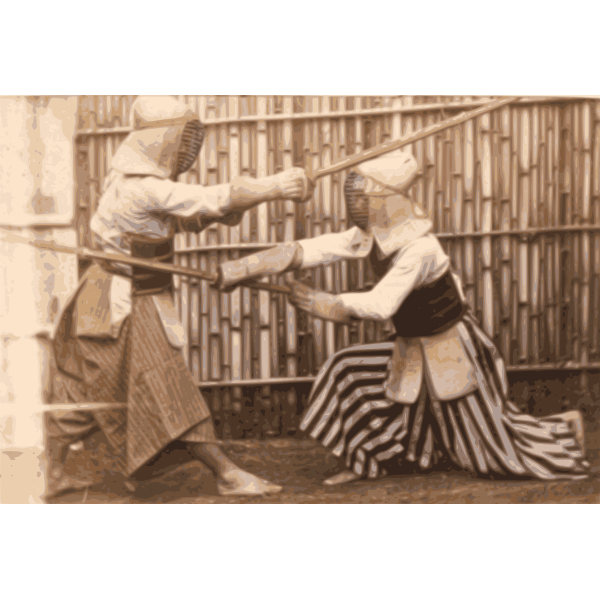
History of Kendo
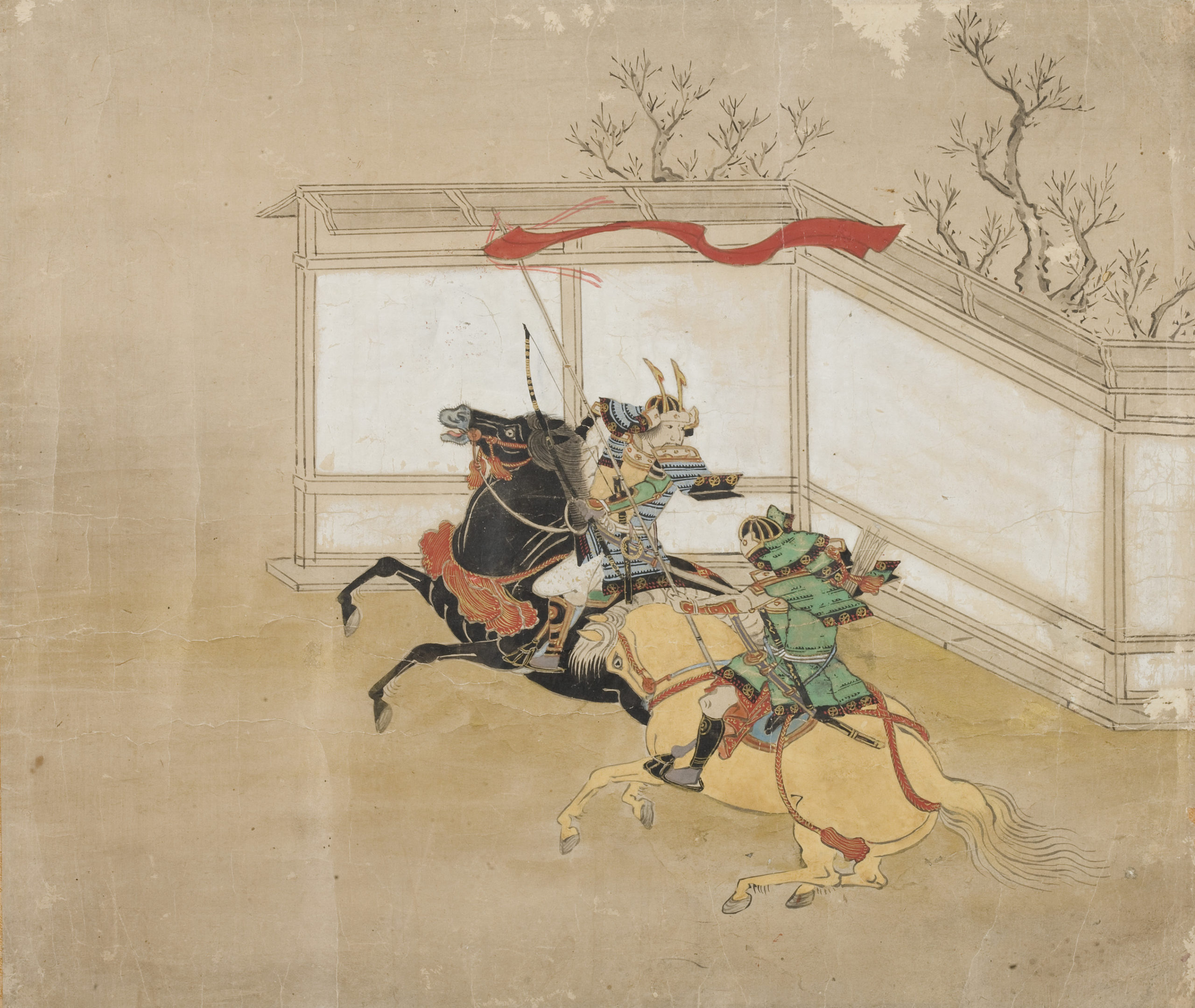
In the mid Heian era (794-1185 ce), a sword was developed and used by the samurai in Japan until the end of the Kamakura era(1333 ce). It had a slightly arched blade with raised ridges. Its wielding techniques and creation were unique to Japan as it grew in popularity and was further developed. During the Sengoku Jidai or Japan’s warring states period(1467-1615), many schools of Kenjutsu(swordsmanship) were established. The chaos and conflict during this era as well as the adoption of firearm technology from the Portuguese led to a change in hand to hand conflict. This further facilitated the development of Japanese swords and sword fighting styles which led to the creation of the Katana. Following the Sengoku period, the Edo period(1615-1867) was a much more peaceful era with a united Japan. Swordsmanship as a practice began to become more about personal development rather than taking lives. Samurai used swordsmanship to overcome the questions of life and death, strengthen their minds, and to differentiate good and evil to do the best they could for their clans and lords. During the beginning of the 19th century equipment used in Kendo today were created like the do(torso protector) and shinai( bamboo swords). During the first year of the Taisho period (1912-1926), the Nippon Kendo Kata(Japanese Kendo Forms) was created to unify schools of swordsmanship and preserve/spread Japanese sword techniques to the next generations. After World War II, Kendo was outlawed during allied occupation of Japan. But in 1952, the All Japan Kendo Federation was established and brought back. Kendo now has millions of practitioners around the world.